History & Conservation
A legacy preserved for future generations
Few inland lakes in Northern Michigan have retained their natural character as successfully as Pearl Lake. While many waterfront communities experienced decades of increasingly dense development, Pearl Lake followed a remarkably different path — one of intentional preservation.
A legacy passed through generations
Stewarded by one family for over a century
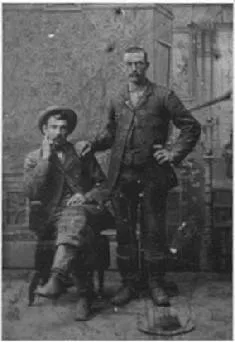
The history of Pearl Lake is inseparable from the families who first settled its shores. Among them, few had a greater influence than the Clawson (Worrell) family, whose stewardship helped preserve much of the lake’s natural beauty for well over a century.
Unlike many waterfront areas that were gradually divided into ever-smaller parcels, large portions of Pearl Lake remained under single-family ownership for generations. That continuity is a large part of why the rural character, mature woodlands, and scenic shoreline still distinguish the lake today.
The story, in order
A century and a half on Pearl Lake
- ca. 1875
The Clawson family settles Pearl Lake
The Clawson (Worrell) family establishes roots in the Pearl Lake area, eventually owning extensive acreage around the lake. Their century-long stewardship preserves much of its natural character.
- 1880s–1900s
A logging community
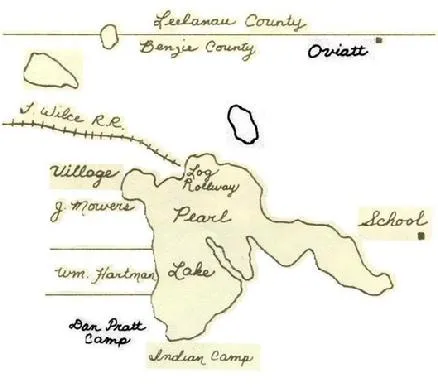
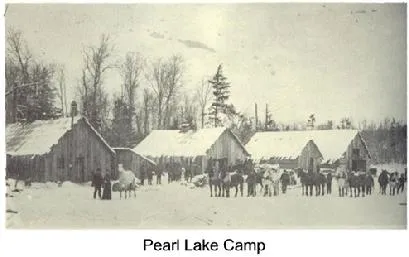
Pearl Lake is home to a logging camp, a one-room schoolhouse, and a general store. The E&SE Railroad runs from Empire to the north shore, moving timber cut around the lake.
- 1950s–60s
The Pearl Harbor Subdivision
A cluster of small cottages is split off along the northeast shore, west of County Road 669 — the only significant subdivision on the lake for decades.
- 1971
The Wagner Estate is sold
The Kevorkian Brothers of Royal Oak purchase the old Wagner Estate at the center of the north shore, intending to develop more than 70 home sites. The land remains intact.
- 1989
Vin-Zac Inc. and a different vision
Vin-Zac Inc. (Michael A. Piscopo, President) purchases the property. Ralph Yates designs and names the Pearl Lake Land Division — preserving ~150 acres north of Wagner Road as permanent common land.
- 1995
Pearl Lake Estates
The second development designed by Ralph Yates creates all-lakefront home sites on Pearl and Wiltz Lakes, sharing a 60-acre nature preserve.
- 1999
Save Pearl Lake
Rather than see a planned 97-unit condominium project built, the community rallies. The Grand Traverse Regional Land Conservancy acquires 249 acres along the shore — protected forever.
A vision that endures
Designing around nature
Long before conservation became a common planning principle, Ralph Yates and his partner Vin-Zac Inc. believed Pearl Lake’s greatest value lay in preserving the qualities that made it extraordinary. Rather than maximizing waterfront lots, they preserved forests, respected wetlands, and routed roads to follow the natural contours of the land.
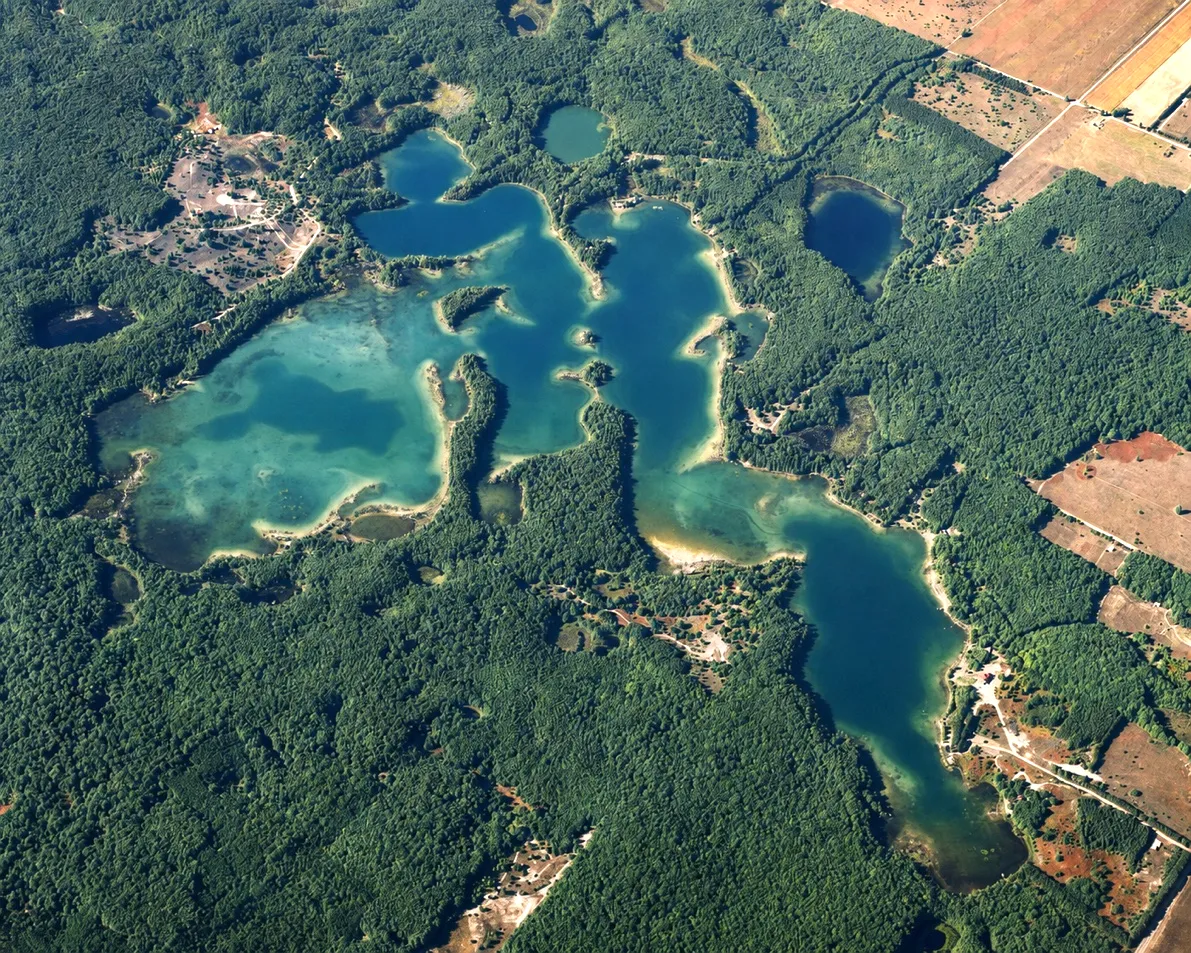
Approximately 150 acres within the Pearl Lake Land Division were permanently preserved as common land, and roughly 50,000 blue spruce were planted to enhance the natural setting — an approach that placed long-term stewardship ahead of short-term development.
A community built around stewardship
The year the community saved the lake
In 1997, area residents decided they’d rather buy the land than watch a 97-unit condominium project go up. What followed became one of the largest concentrations of permanently protected land around any inland lake in the region.
Developers agreed to sell 249 acres for $1.19 million. The state awarded an $890,000 grant, and neighbors went door to door — with roughly half the township contributing — to raise the rest. By 1999, the land adjacent to the Pere Marquette State Forest was protected for good.
Contact
Become the next steward
To truly appreciate the lake, you have to see it. Reach out anytime — including weekends — to arrange a personal tour of the area and the properties currently available.
Jules B. Yates
Associate Broker / Team Leader
@properties | Christie’s International Real Estate
Get in touch